
Updated QICN guide supports nurses entering adult social care
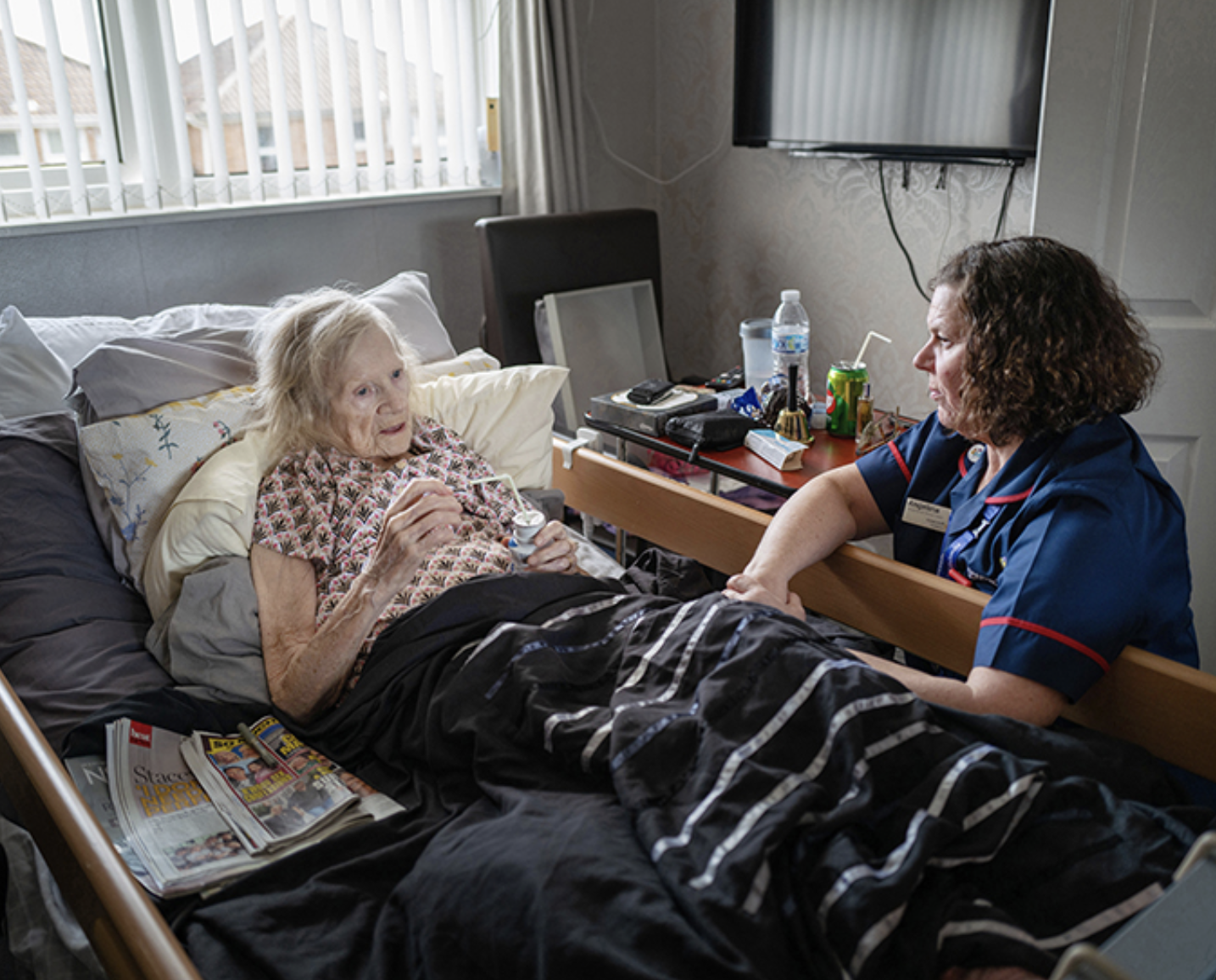
The Queen’s Institute of Community Nursing (QICN) has published a new online resource entitled ‘A Guide for Nurses New to Adult Social Care Nursing’.
The new open-access resource will provide a comprehensive guide supporting nurses, student nurses and nurse associates who are new to working in adult social care or transitioning from other healthcare settings.
Adult social care nurses play a vital role in delivering compassionate, person-centred care in homes, care homes, supported living and community-based settings.
This updated guide offers an accessible overview of the sector’s responsibilities, regulatory frameworks and opportunities, alongside practical advice on safe working, wellbeing and professional development.
Dr Agnes Fanning, Director of Nursing Programmes & Faculty of Adult Social Care Nursing Lead, said: “Nurses entering adult social care often find themselves in complex, autonomous roles that demand confidence, compassion and deep understanding of the systems they work within.
“This updated guide has been designed to support that transition – helping nurses feel informed, valued and well-prepared for the rewarding work they do.”
Edited by Dr Agnes Fanning, the resource reflects the latest national frameworks and regulatory standards across the four UK nations, including the Care Quality Commission (CQC) Single Assessment Framework (SAF), the Regulation and Inspection of Social Care (Wales) Act 2016, and the Health and Social Care Service Renewal Framework in Scotland.
It also supports nurses’ professional development through alignment with the National Preceptorship Framework (2025).
The guide covers essential areas including:
• Understanding adult social care – the structure, roles, and services within the sector
• Regulatory frameworks and standards – guidance on compliance and safe, person-centred care
• Safe working practices – infection control, safeguarding and risk management
• Wellbeing and resilience – strategies for maintaining physical and emotional health in demanding roles
• Professional development – preceptorship, continuous learning and career progression opportunities
• Communication and person-centred care – working collaboratively with individuals, families and multidisciplinary teams.
Download the guide here.