
New device for predicting overnight hypoglycaemia in people with diabetes launched in the UK
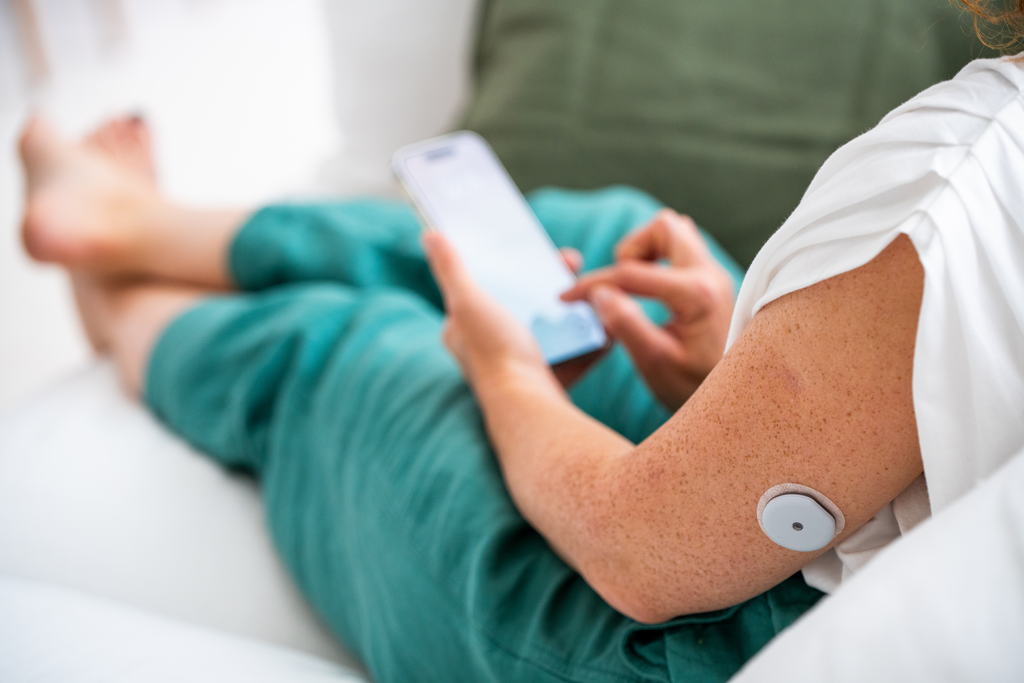
A new device designed to help adults with diabetes predict dangerous drops in blood sugar while they sleep is now being used in the UK.
Roche Diagnostics has announced that its Accu-Chek® SmartGuide continuous glucose monitoring (CGM) system is now reimbursable on the NHS, giving adults with diabetes easier access to the technology.
The first NHS organisations to offer the device include Bath and North East Somerset, Swindon and Wiltshire Integrated Care Board and NHS Somerset Integrated Care Board.
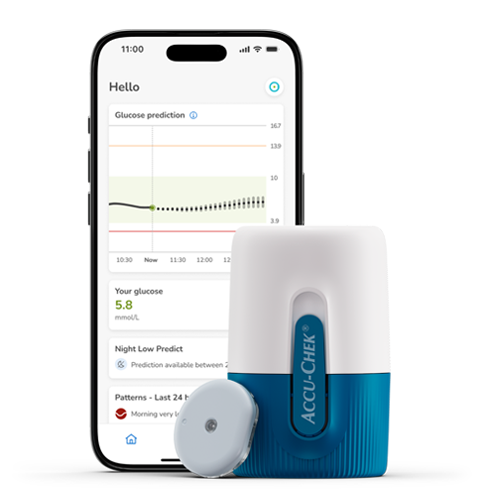
This decision makes it the first artificial intelligence (AI)-driven CGM in the UK capable of predicting nighttime hypoglycaemia.
Using AI, the system analyses glucose patterns to forecast levels over the next 30 minutes, two hours and throughout the night, and prompts users to take action if their glucose is expected to drop below a safe range.
A water-resistant sensor worn on the back of the upper arm sends readings to a smartphone app every five minutes, helping people stay informed and take action before low blood sugar becomes a problem.
Around 5.6 million people in the UK are living with diabetes, and while continuous glucose monitoring has transformed care in recent years, many still struggle to keep their blood sugar within a healthy range.
Low blood sugar episodes, known as hypoglycaemia, are particularly common in people with type 1 diabetesand can be especially dangerous during sleep, when warning signs may go unnoticed.
Research suggests that between two to five per cent of deaths in people under 40 with type 1 diabetes are linked to nighttime hypoglycaemia, making early detection and prevention critical.
Holli Gamewell, 24, was diagnosed with type 1 diabetes last November and was among the first people to receive the new system on the NHS in January.
Reflecting on the impact, she said: “It’s made a big difference. I get a notification if my glucose level is going to go low, so then I can actually prevent the hypo.
“Just before I go to bed, it tells me if I’m going to have a low overnight. I can have a snack before bed and then I’m usually fine.”
The technology has also enabled Holli, from Salford, Greater Manchester, to continue working in her café job, where she is sometimes the only person on shift.”
She added: “Having the prediction features means that I can comfortably do a job where I’m on my own, and I don’t have to worry.”
Peter Hampson, Head of Medical Affairs at Roche Diagnostics UK & Ireland, said: “For many people living with diabetes, the fear of blood sugar dropping overnight is a constant worry.
“This technology helps remove some of that uncertainty by predicting potential lows before they happen, giving people greater confidence and peace of mind in their day-to-day lives.
“Roche Diagnostics is incredibly proud to be helping people feel safer and more in control of their diabetes.”
Clinical studies show the device delivers high accuracy, with 99.8 per cent of readings falling within clinically acceptable ranges.
The evaluation of the predictive capabilities showed that all advanced predictive features exceeded high-performance requirements, e.g., accuracy, sensitivity and specificity.